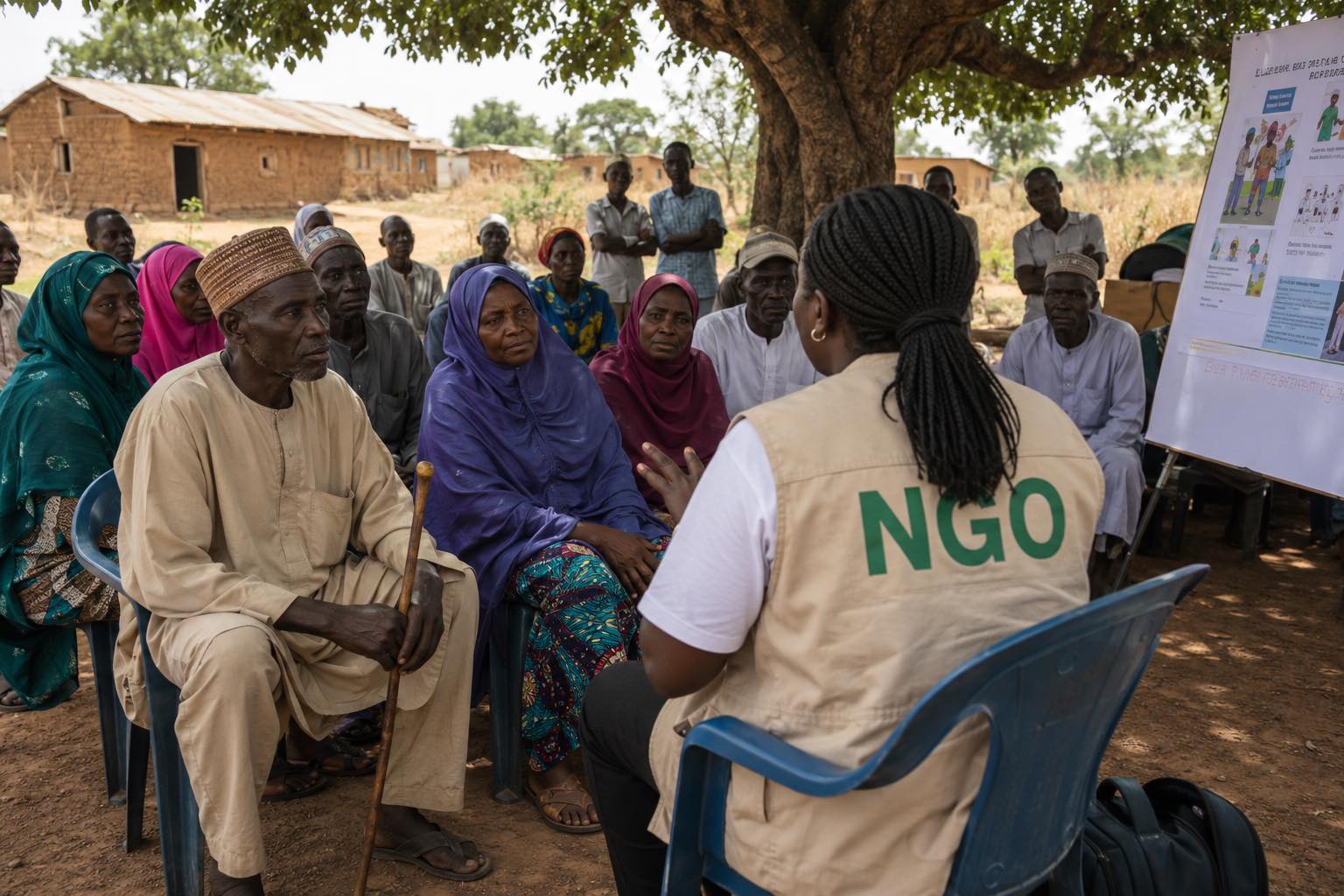
I recently took a break from the NGO sector in Nigeria after 13 years of active employment with one of the leading national NGOs.
I want to take some time to write about my experiences, the lessons I learned, and some observations I believe the donor community needs to pay attention to.
I rose through the ranks from intern to managing national projects worth billions of naira. I have travelled to virtually every state in Nigeria. I have been to rural communities that politicians do not visit even during campaigns.
So my perspective comes from direct field experience gathered over several years of interacting with stakeholders on both the demand and supply side of development work.
For a start, many people do not fully appreciate the important role NGOs play in Nigeria. The NGO sector is the true last hope of the common man, especially now that justice in Nigeria increasingly appears to be for the highest bidder.
NGO workers are among the very few people who will risk their lives and personal comfort to deliver life-saving interventions to complete strangers who have no economic or political value to them.
Let me explain this further.
A politician often does things for people and communities that can translate into votes, even though the resources being used actually came from the people through taxes. A corporate organisation carries out CSR activities in communities where they extract resources or where their operations have an impact. An evangelist makes sacrifices so people can give their lives to Christ and so he can reap eternal rewards in heaven. Even many "men of God" prefer big cities where the "flocks" are financially robust.
But a true NGO worker will often travel long distances, endure harsh conditions, and work on little more than a survival allowance just to help communities with whom he has no blood, economic, spiritual, or political ties.
Secondly, NGOs are at the forefront of real development work in Nigeria.
Many politicians are focused on large infrastructure projects like roads and bridges that can generate huge kickbacks. NGOs, on the other hand, are the ones implementing interventions that ensure children receive nutrition supplements so their cognitive abilities can develop properly. They run programmes against child marriage so young girls can stay in school, build confidence, and develop agency over their lives. They champion social protection so poor and vulnerable people are protected from shocks and can live with some dignity. They push for social justice, empower citizens to reclaim their rights, and advocate for government policies to have a human face.
No other sector consistently does this kind of work.
It is not an exaggeration to say that many NGO workers are doing what most people would describe as the real work of God on earth.
This is why it is important to pay attention to what happens within the sector.
One reason many Nigerians do not pay attention to NGOs is because most local NGOs are funded by international foundations and development partners, unlike politicians who spend public funds generated from taxes and national resources.
But in reality, the funds NGOs receive are collected on behalf of the people.
The painful truth, however, is that the current operating model of the NGO sector in Nigeria is broken in many ways, and it needs serious reform.
I hope this series of articles draws the attention of NGOs, donors, development partners, and the wider public to some of the issues that deserve urgent reflection.
Part 2 continues with a closer look at the money.